Act soon · The cost of this rises the longer it waits.
Hardwood floor crowning — middle higher than the edges
Also searched as: crowned boards, humped floor, boards high in the middle
What it looks like
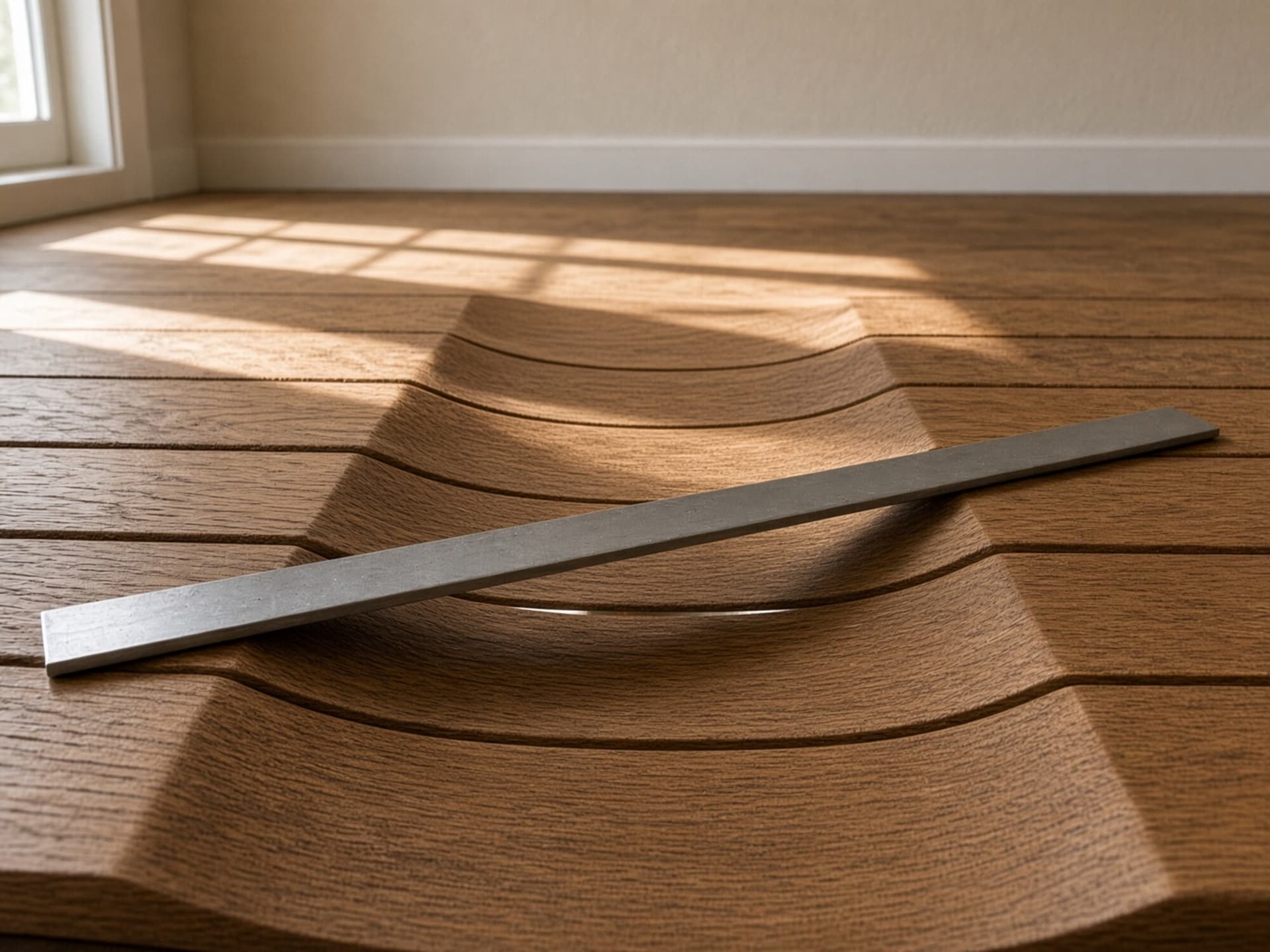
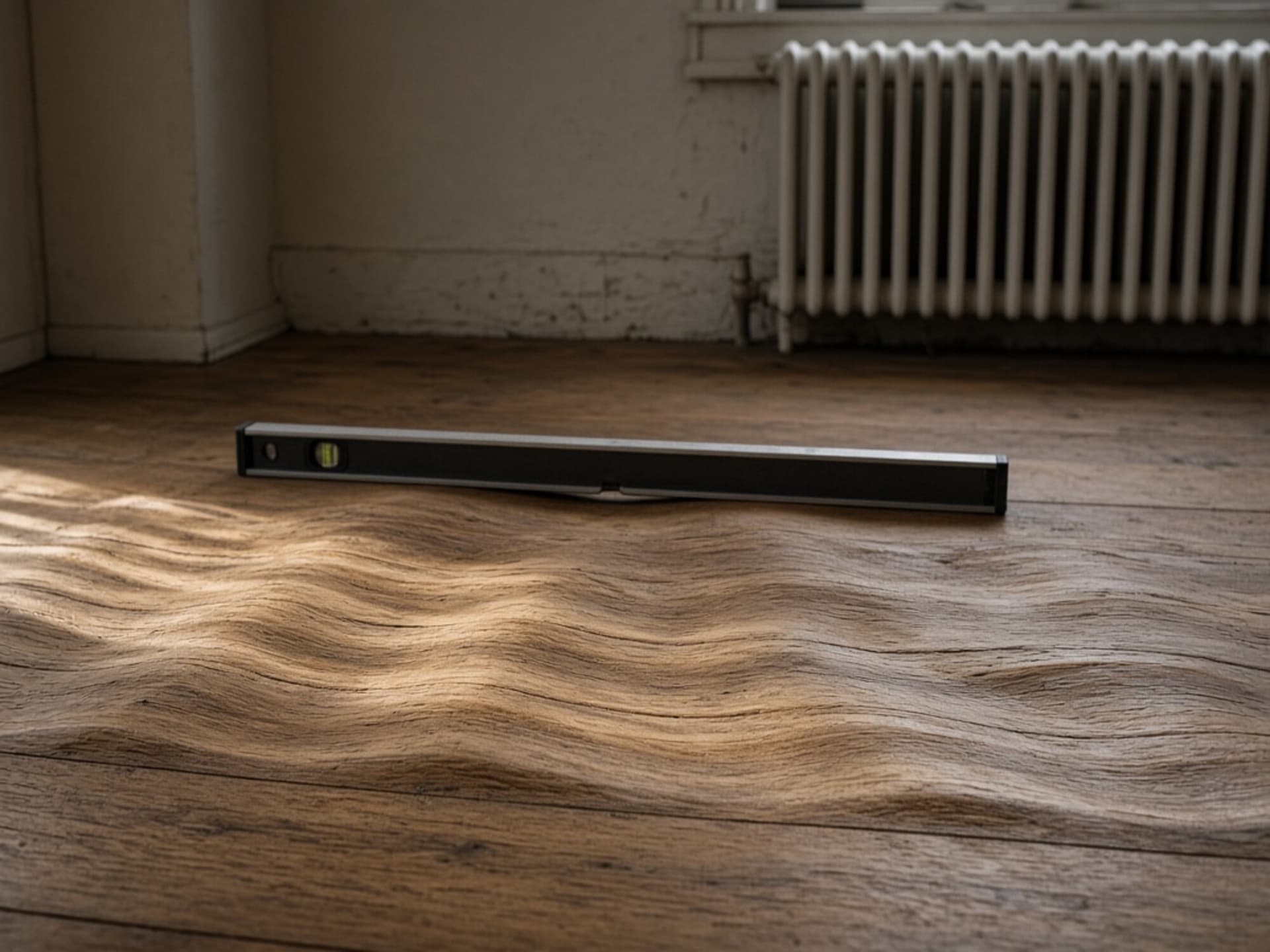
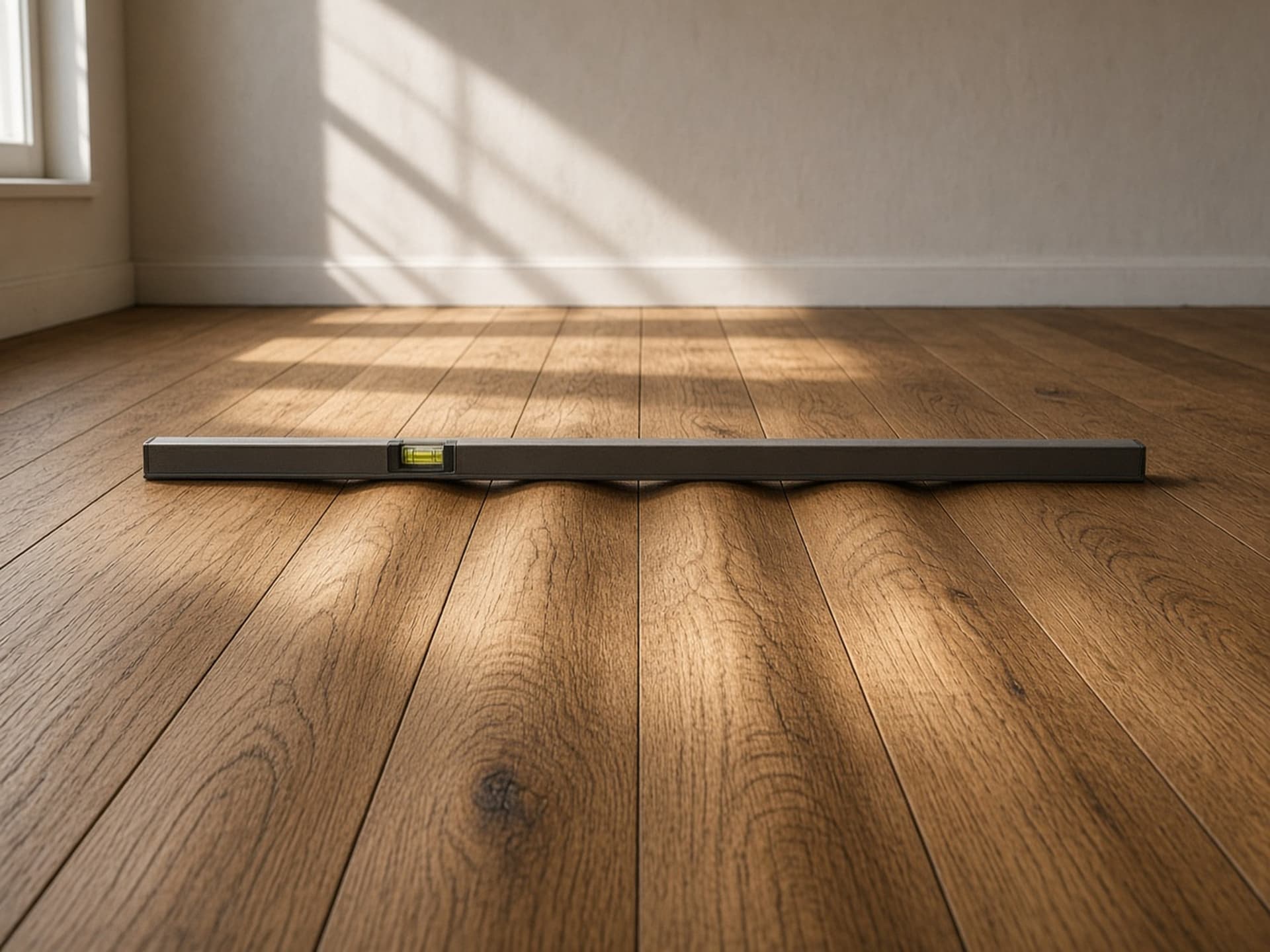
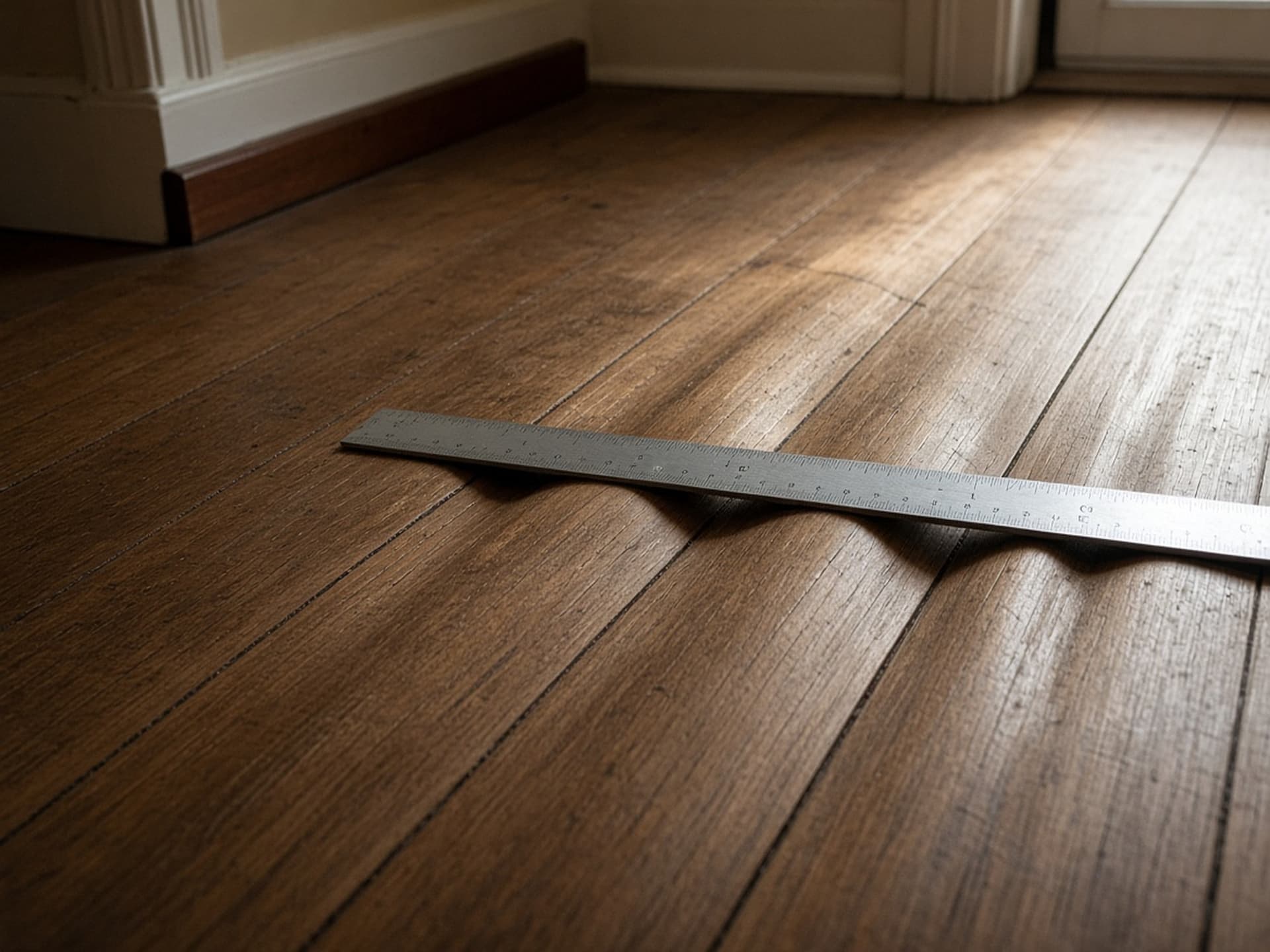
The opposite of cupping: each board's centre is proud and its edges drop away. Often you can see the sanding pattern still on the high centres while the edges kept their old finish.
What causes it
In rough order of likelihood. Each one has a tell — the observation that separates it from the others.
A cupped floor that was sanded before it dried
How to tell: By far the most common cause. The sander took the high edges off while the board was still cupped; when it dried and tried to flatten, the centre became the high point. If the floor was refinished within the last year or two, this is almost certainly it.
The moisture differential reversed
How to tell: The top of the boards became wetter than the underside — a spill left standing, or wet-mopping a floor whose finish is no longer sealing.
What it actually means
Crowning is usually not a moisture problem you can fix; it is a record of one that was sanded at the wrong time. The wood is now permanently the wrong shape, and you have less thickness left to correct it with.
Can it be fixed?
Depends what caused itMild crowning on a solid floor with wear layer remaining can be sanded flat — once, and only once the moisture has been stable for months. On engineered flooring with a thin wear layer, or a solid floor already sanded two or three times, there is nothing left to take. We will measure the remaining thickness and tell you which case you are in.
What you can do yourself
- Stabilise humidity at 35–50% and leave the floor alone for a full season before deciding anything.
- Stop wet-mopping entirely. Damp microfibre and a hardwood-specific cleaner only.
- Find out when it was last sanded and how many times. That number decides what is possible.
When to call someone
Before you agree to another sanding. We will measure what wear layer is actually left rather than assume.
The work involved
Hardwood Sanding, Finishing & Refinishing
Screen-and-recoat or full sand-to-bare-wood. Custom stain matching, waterborne and oil-modified systems, and a house you can actually live in while we work.
From $4.50–$8.50 / sq ft
Read further
Water-damaged hardwood in Toronto
What to do after a leak, dishwasher failure, or ice-maker line on a hardwood floor — moisture readings, board replacement, and when the floor is actually finished.
Hardwood flooring cost in the GTA, 2026
Real 2026 price ranges for hardwood installation, refinishing, stairs, and railings in Toronto and the Greater Toronto Area — and what actually moves the number.
Often confused with
Written from 15+ years of GTA callouts, not from a manufacturer's brochure. Every diagnosis here still ends with someone looking at the actual floor — a photograph and a moisture reading beat any web page, including this one.