What it does
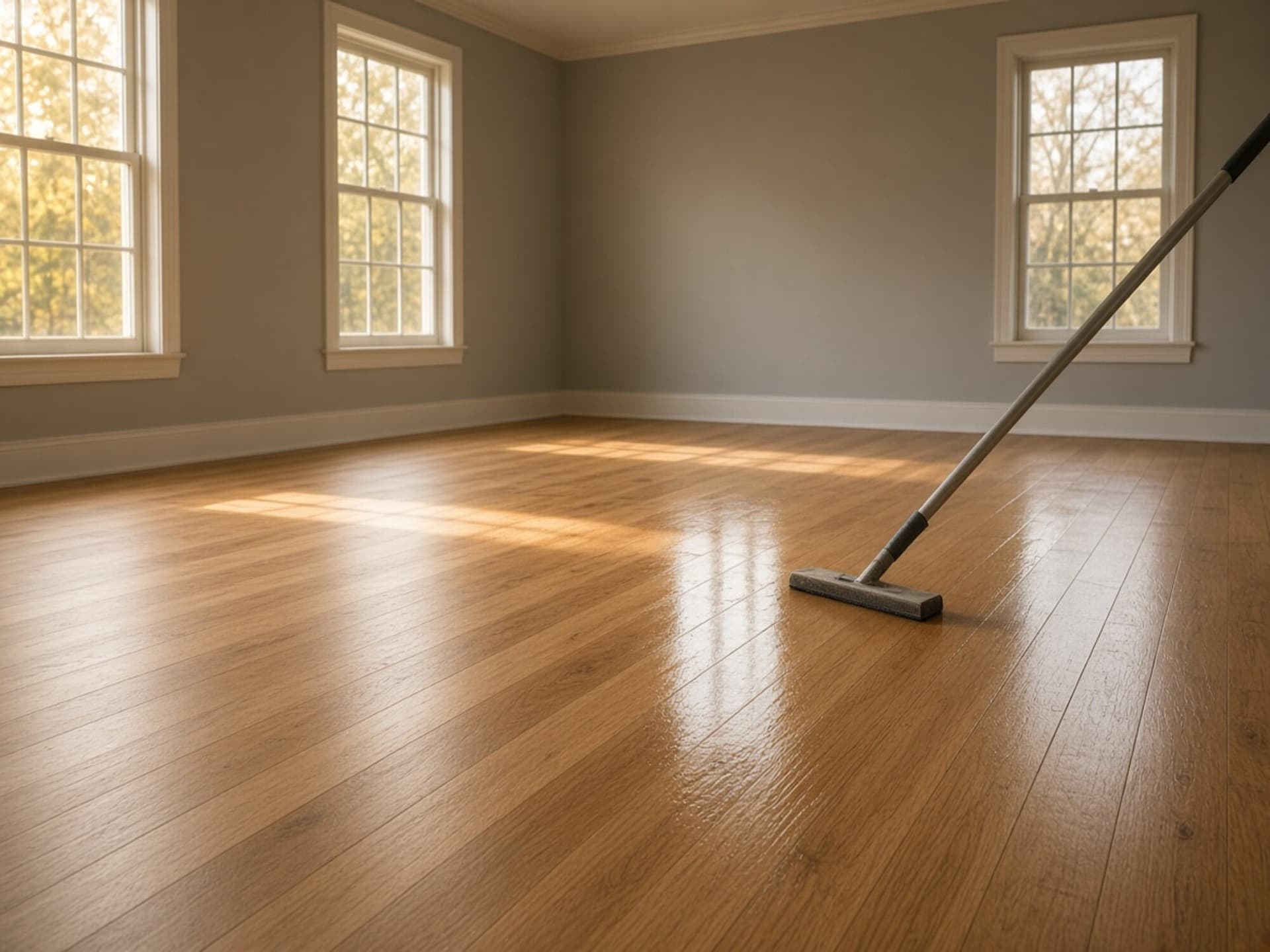
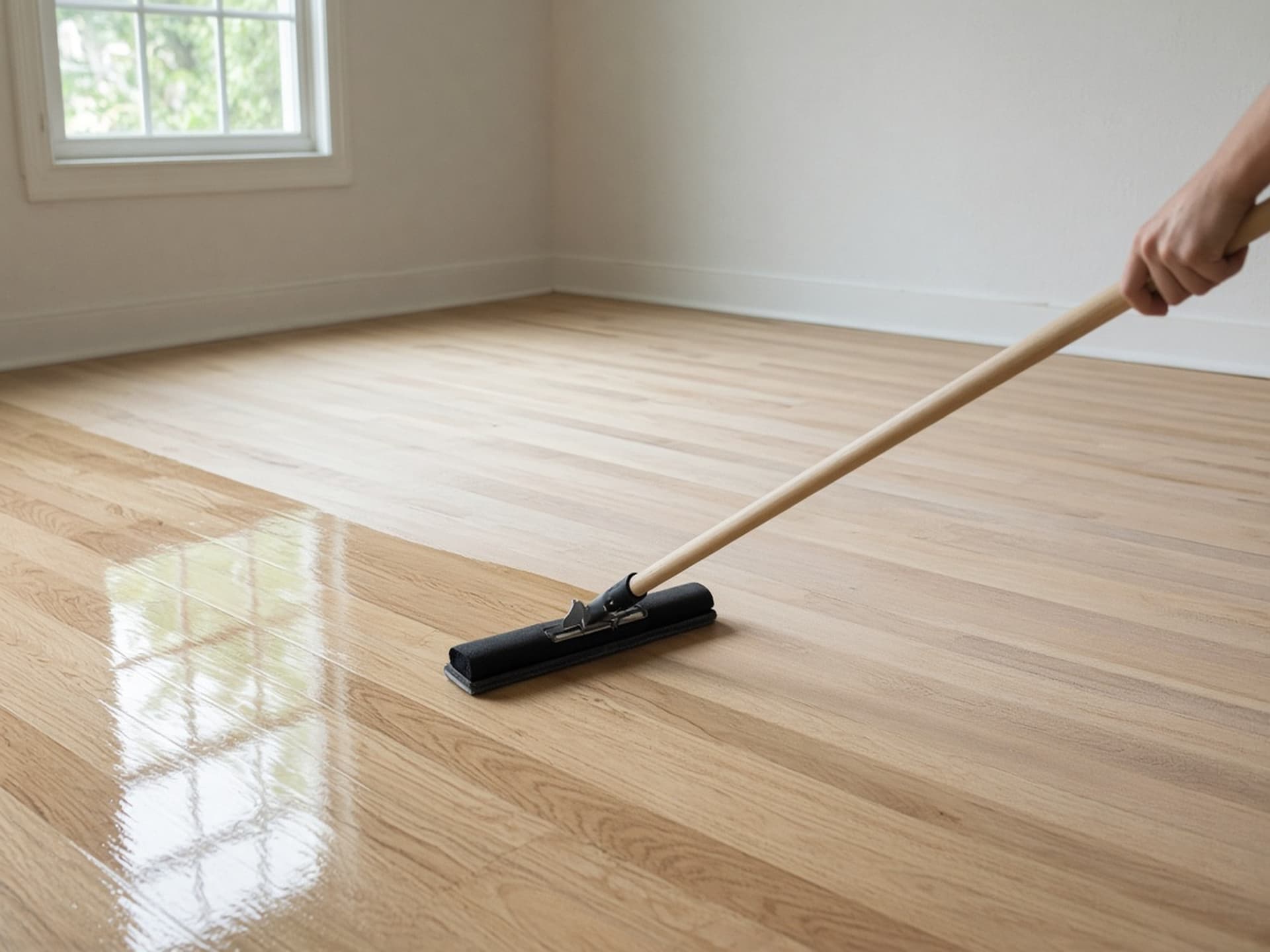
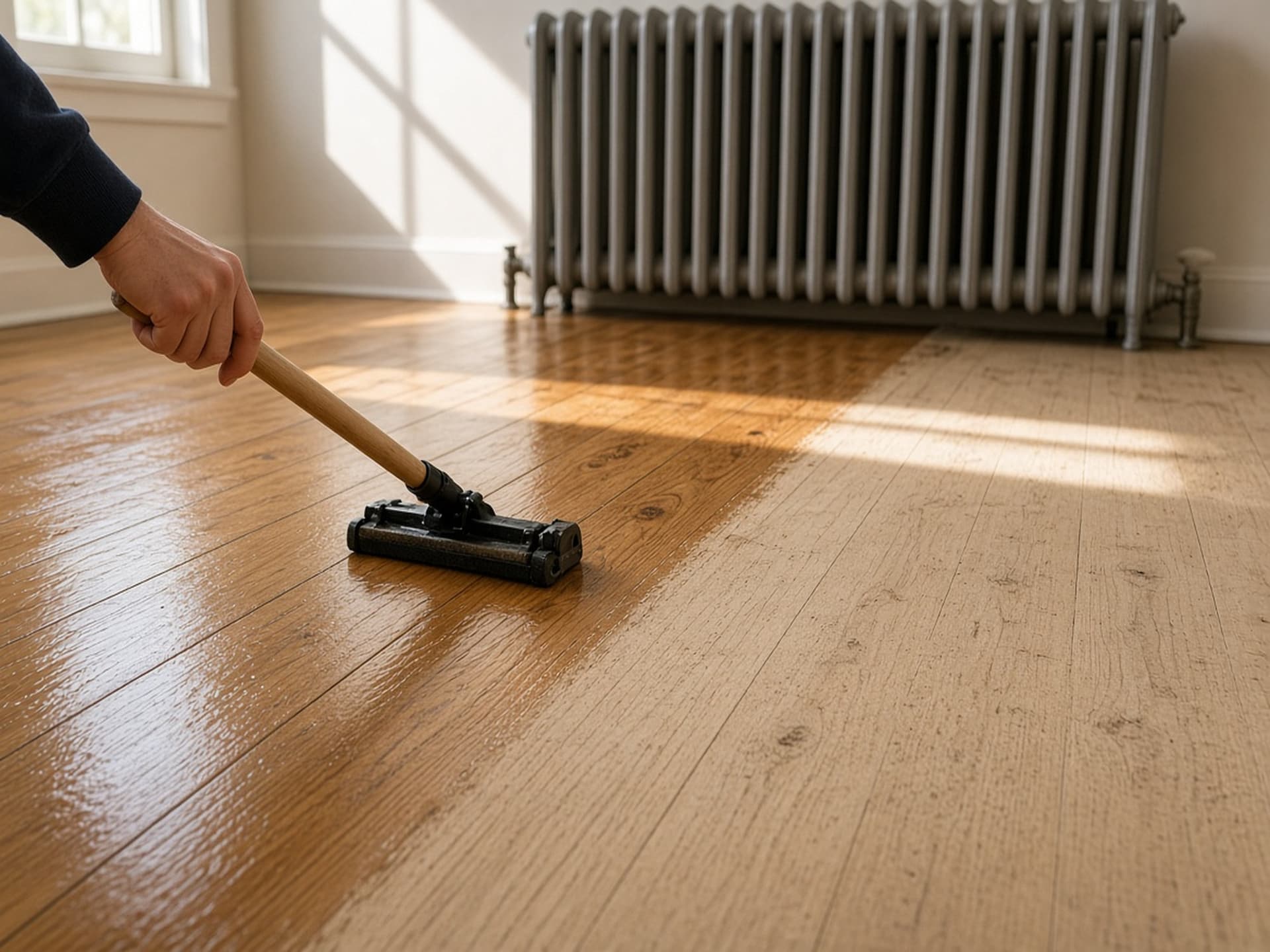
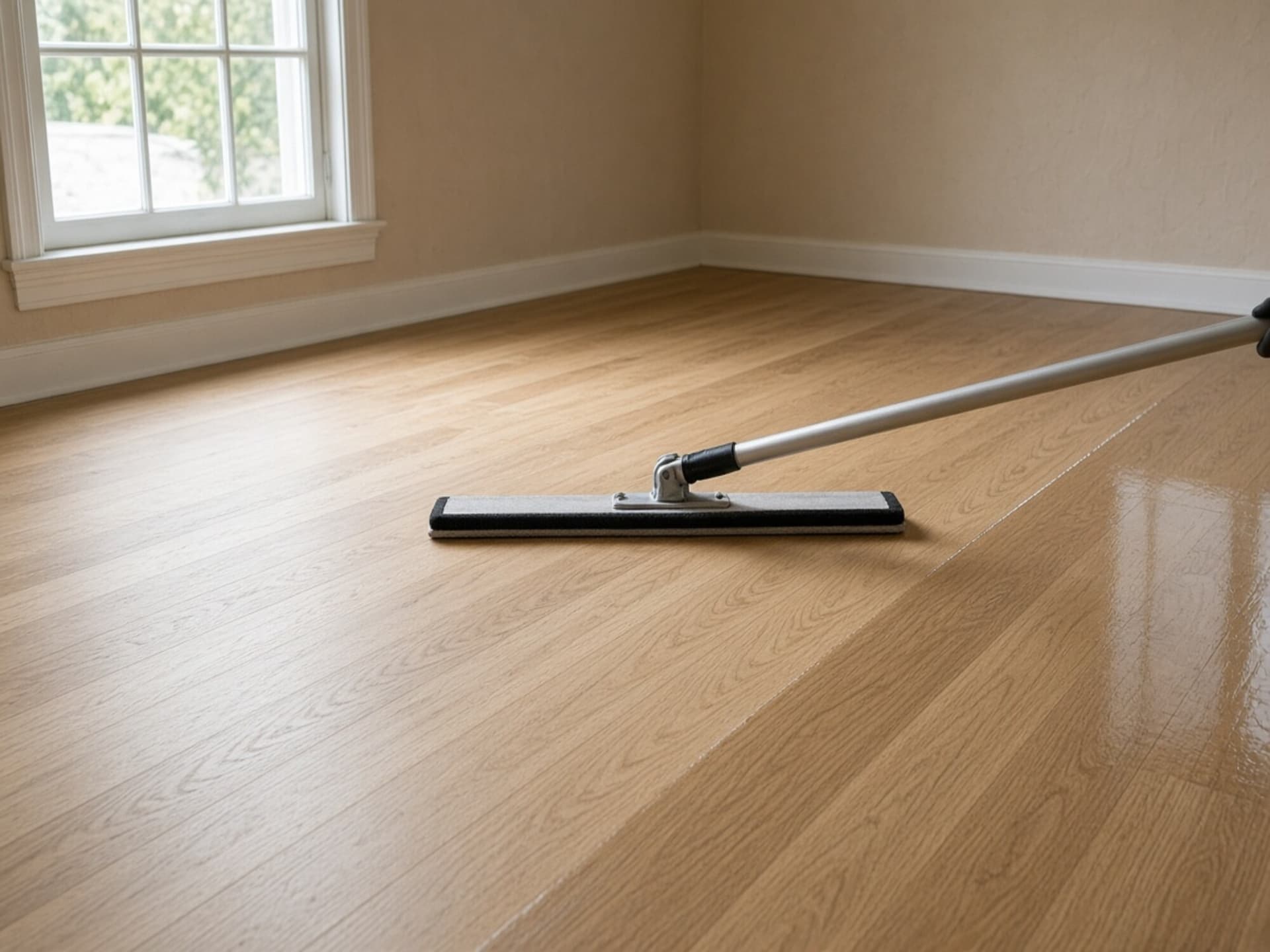
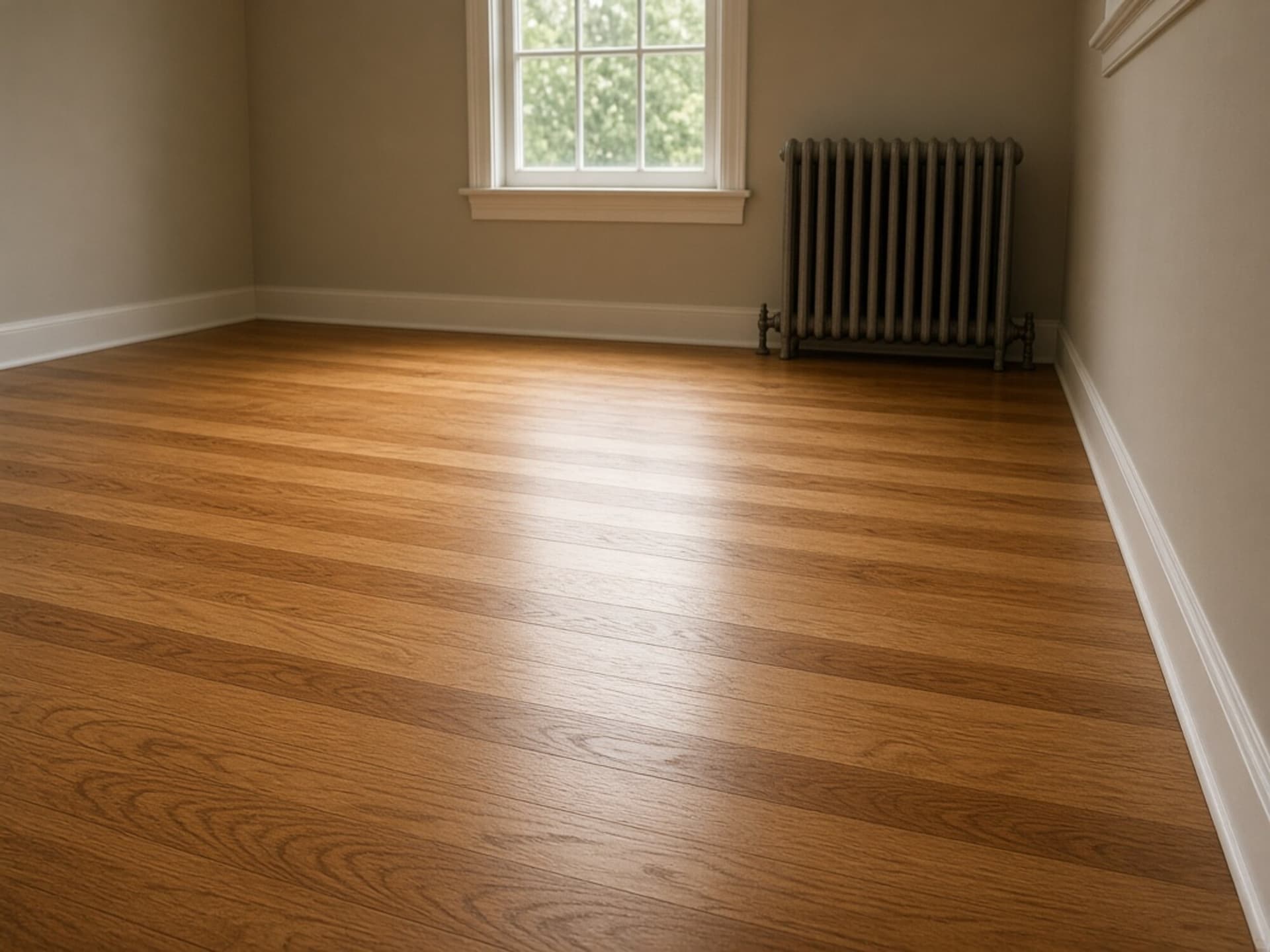
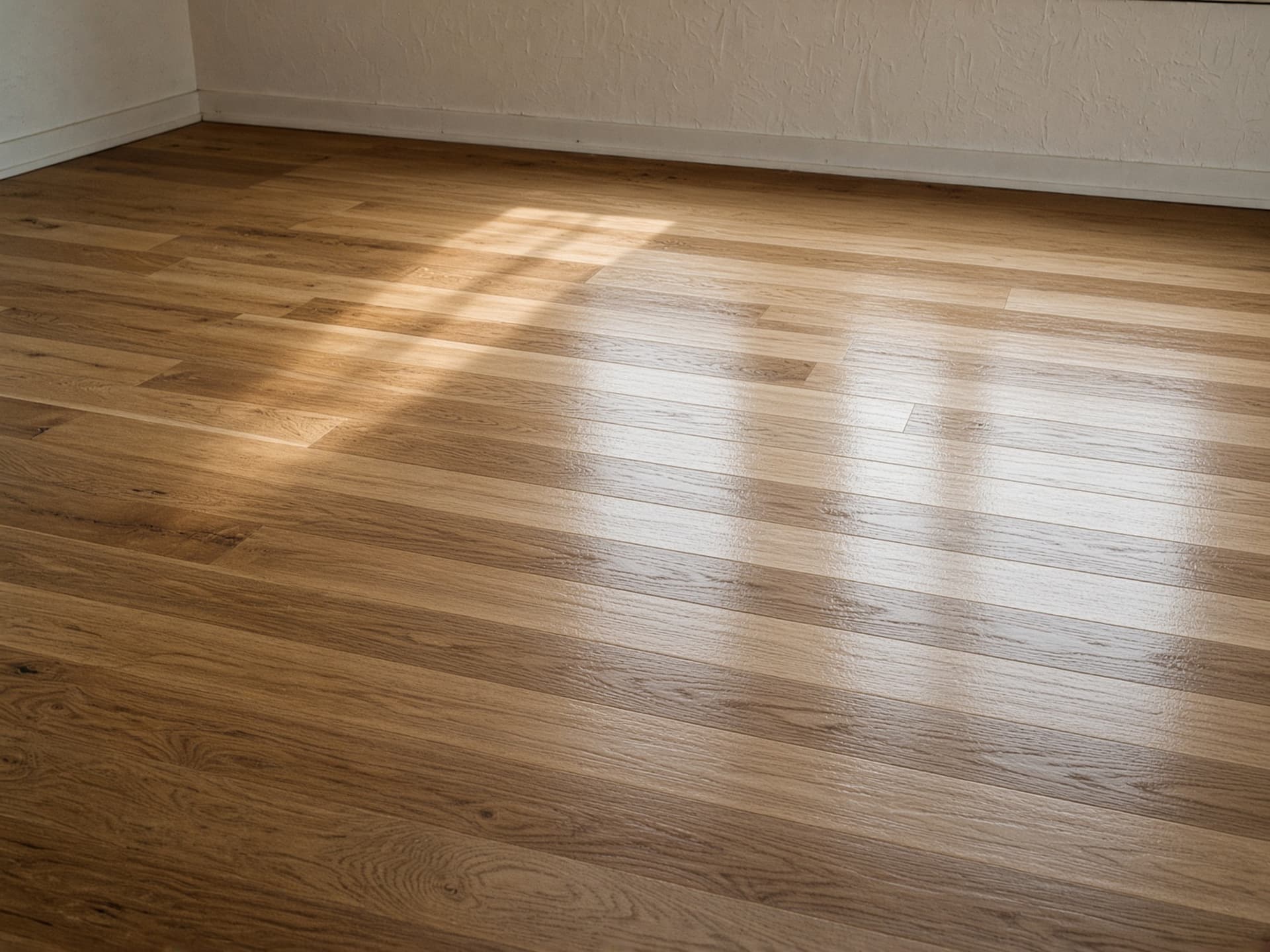
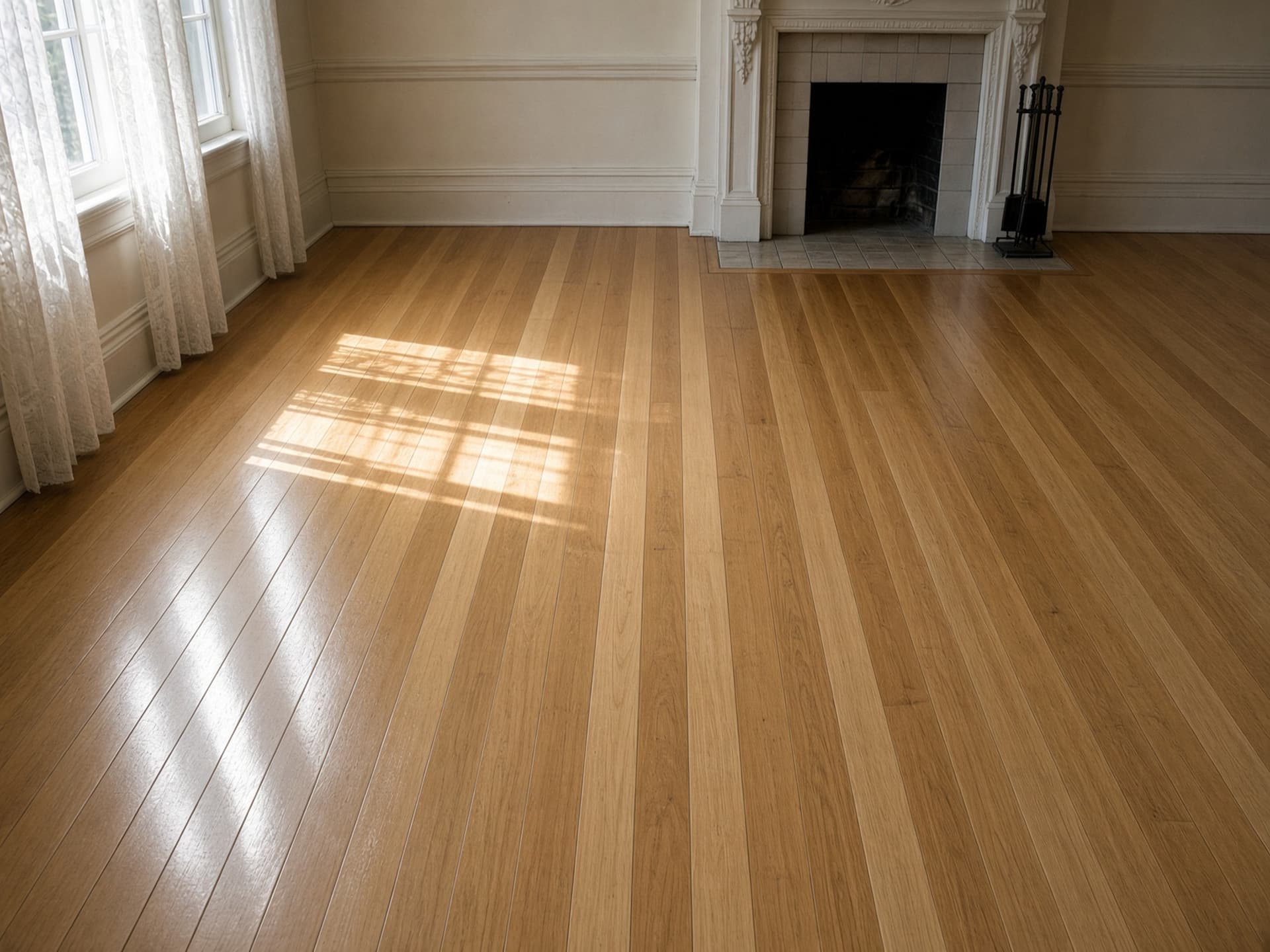
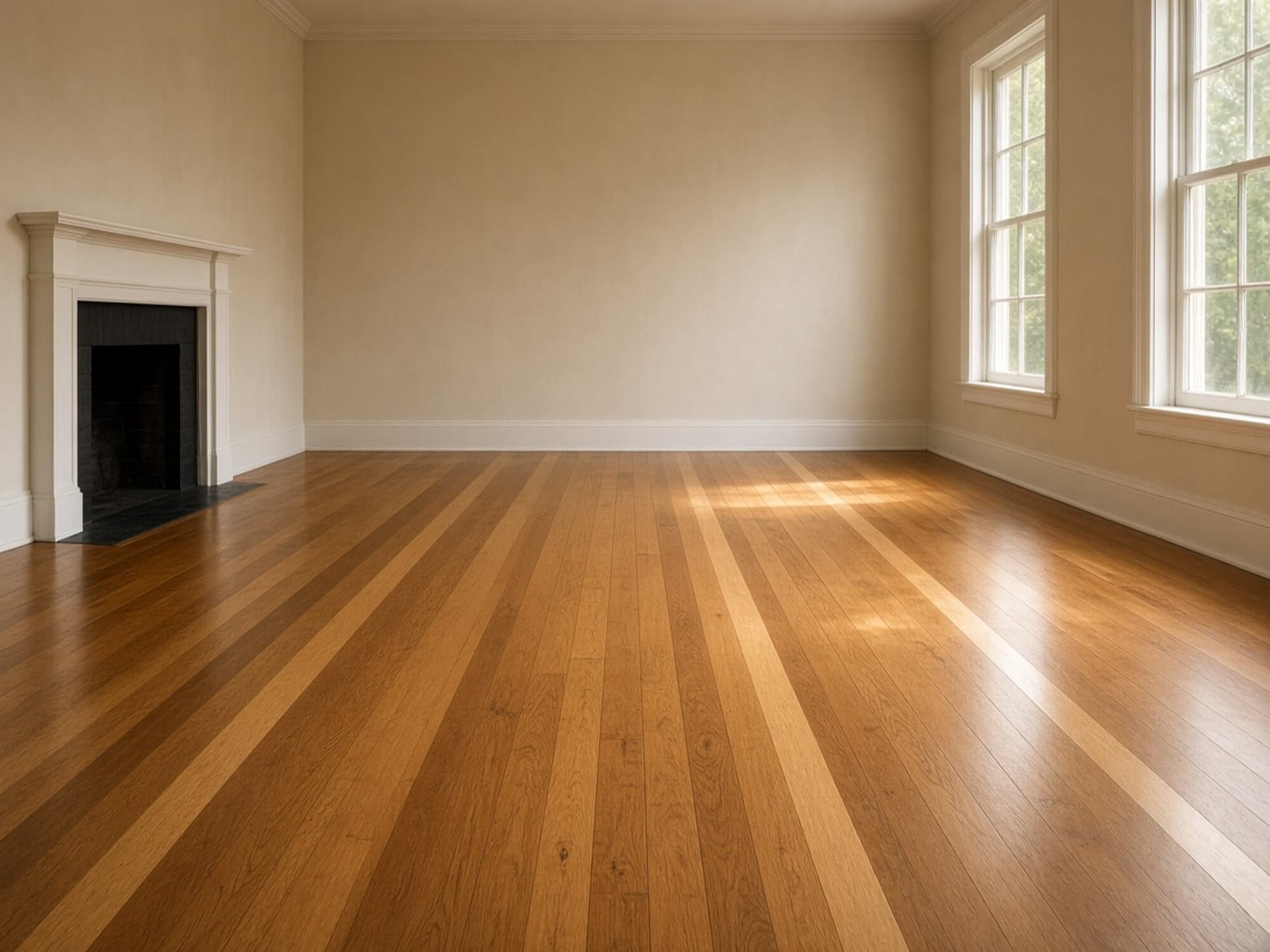
A two-component waterborne finish is mixed with its hardener and has a working life measured in hours, so the floor is coated in one continuous operation. The perimeter is cut in with a pad or brush and the field is pulled with a T-bar applicator or a roller, keeping a wet edge across the whole room.
Between coats the surface is abraded so the next coat bonds. Skipping that inter-coat abrasion is why some floors delaminate in sheets years later.
Hardwax oil is a different discipline entirely: applied thin, worked into the wood, and buffed off rather than built up. It is maintained rather than recoated, and it can be spot-repaired, which no film finish can.
Why it matters to your floor
- Lap marks — a visible line where one wet edge met a dried one — are permanent and only removable by sanding. They come from a room too big for the crew size or a finish that started setting before the field was closed.
- The cure schedule is what decides whether you can live in your house. Two-component waterborne typically allows sock traffic in about 24 hours, furniture back after several days, and rugs last, because a rug traps solvent and can print into a finish that is still curing.
- Finish choice is also a maintenance decision that lasts decades. Waterborne two-component is the durable, non-ambering default. Oil-modified polyurethane ambers and smells for days. Hardwax oil is repairable and wants attention.
What happens without it
Single-component finish sold as equivalent, or coating a large open plan short-handed.
Lap marks across the field, a wear layer that does not last, and in an occupied house a cure schedule that turns out to mean something different from what was promised.
How to tell, before you sign
- Ask for the finish system by name and whether it is one- or two-component. Ask how many coats, and whether the floor is abraded between them.
- Ask for the cure schedule in writing: sock traffic, furniture, rugs. A shop that has done occupied houses gives you three different numbers without hesitating.
These questions are meant to be asked of everyone quoting you, not only of us. A trade that cannot answer them is telling you something useful.
Read further
Dust-contained sanding in occupied Toronto homes
What 'dustless' sanding actually means, how long you are out of the room, and how to refinish a condo without becoming a problem on the floor WhatsApp.
Hardwood floor maintenance in Ontario
Humidity, cleaning, and recoat schedules for hardwood floors and stairs that have to survive a GTA winter and a GTA summer.