What it does
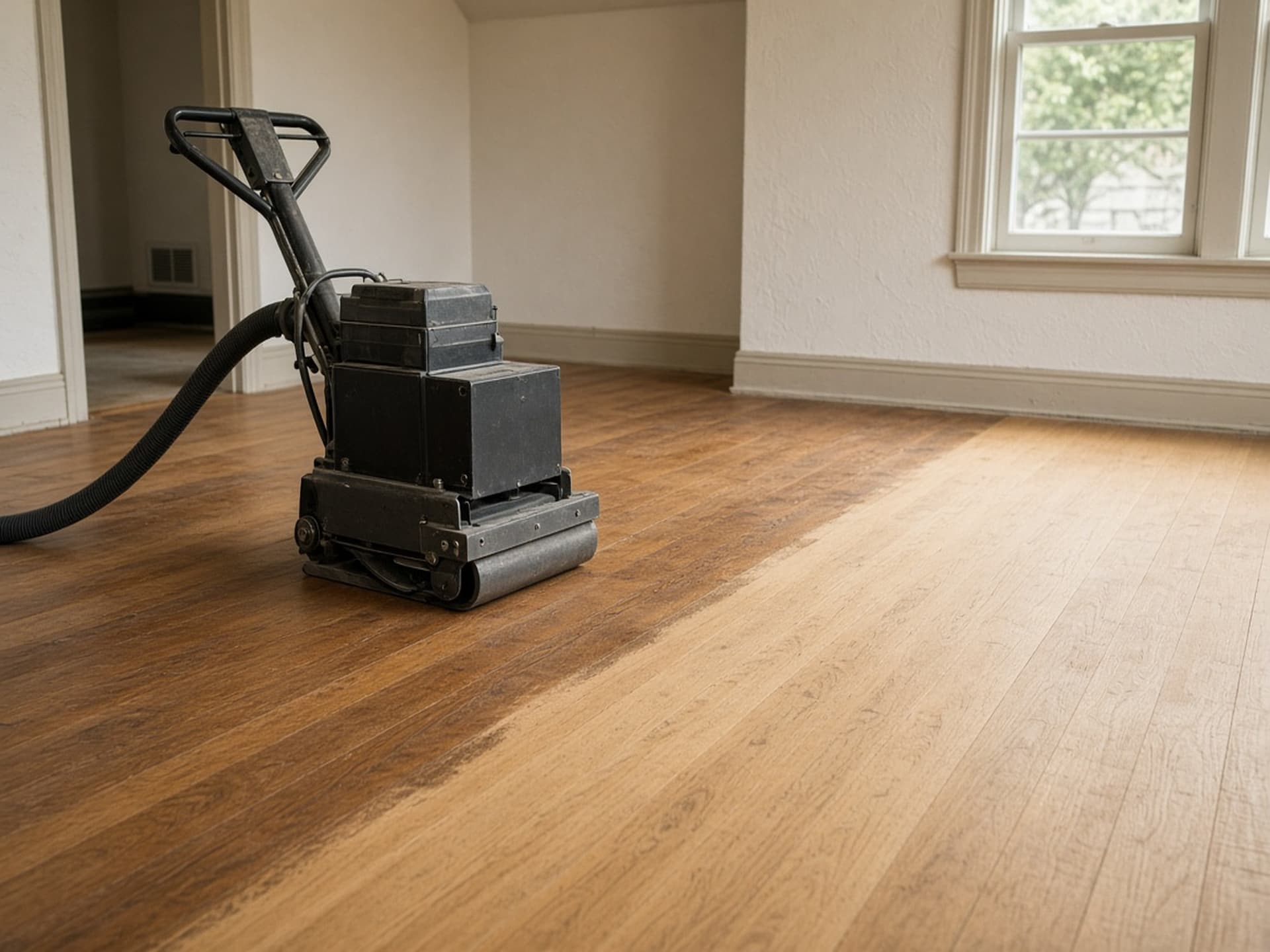
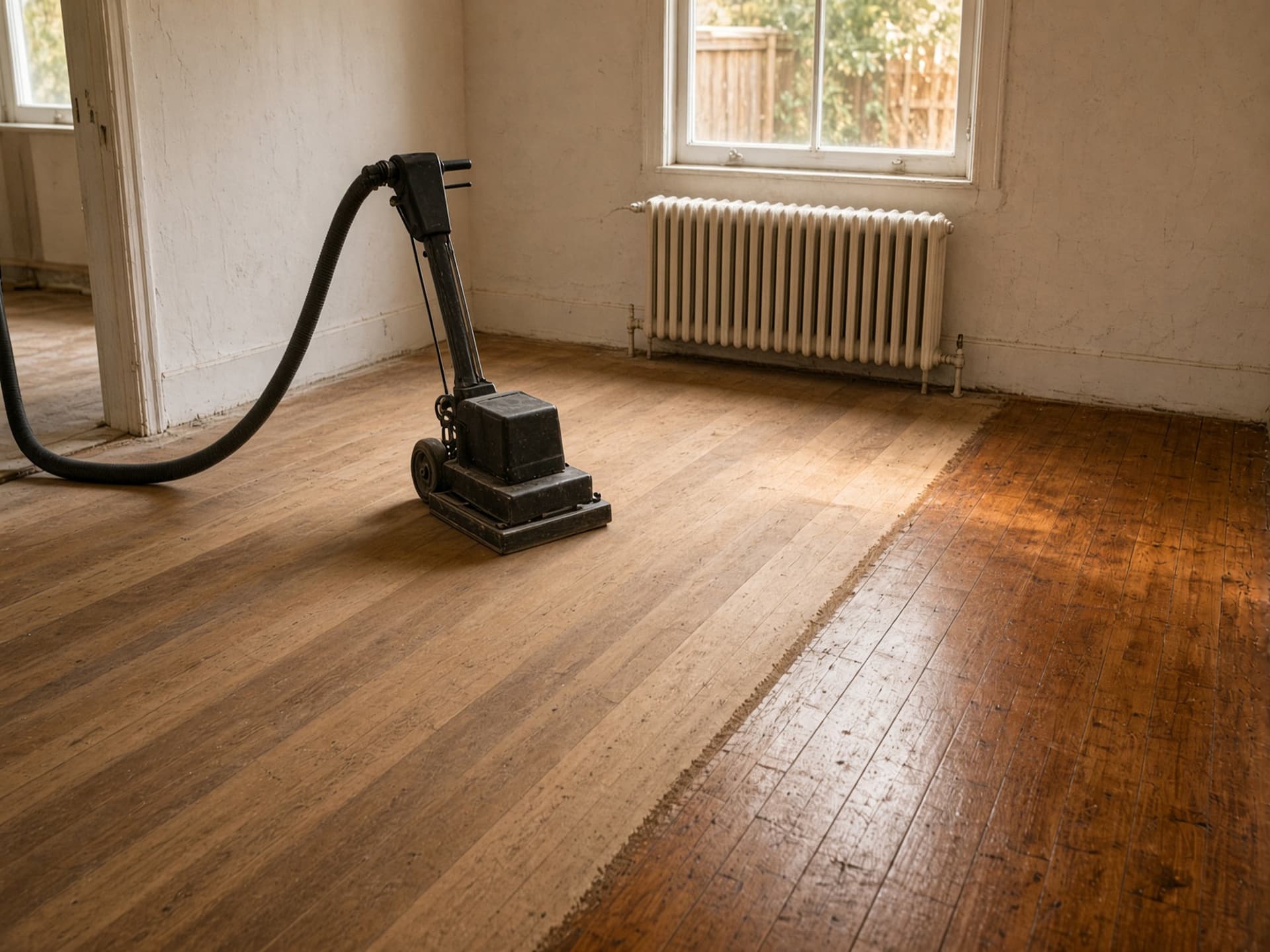
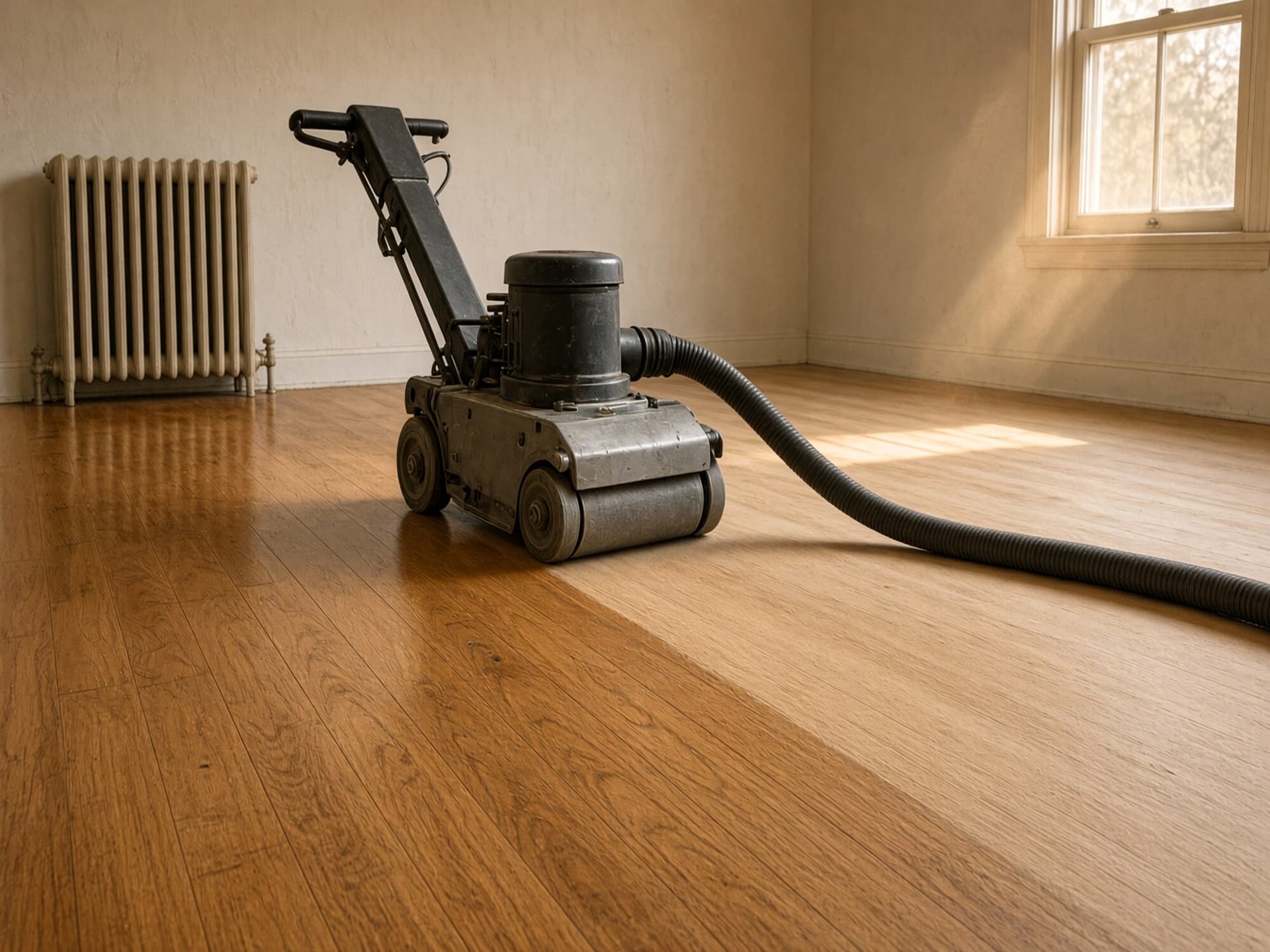
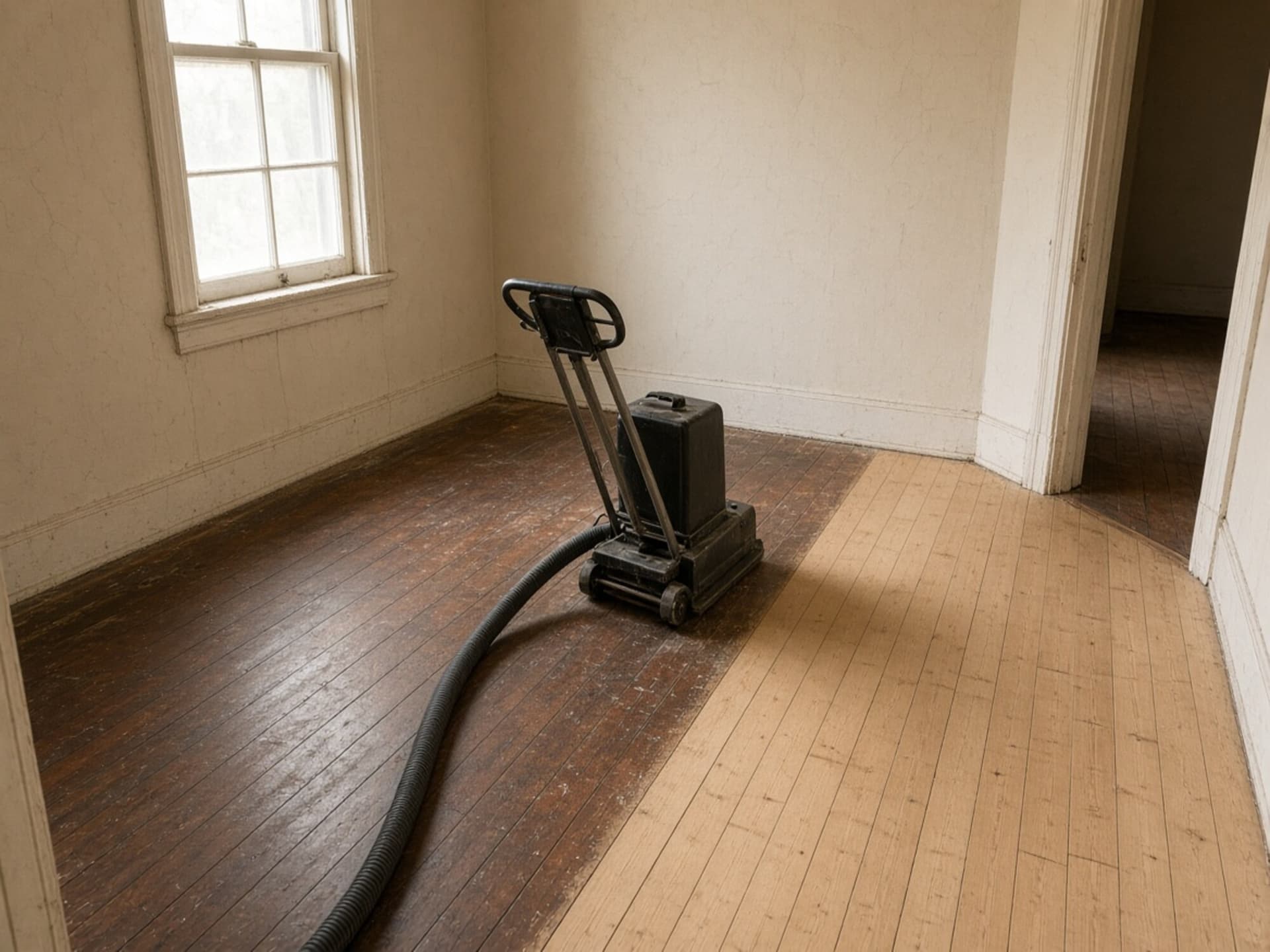
A continuous abrasive belt runs under tension across a drum, and the machine is walked forward and back in overlapping passes with the grain. It removes the old finish and enough wood beneath it to reach a uniform surface, and it does the vast majority of the material removal on any refinish.
Belt machines and older drum machines are not the same tool. A belt runs a long abrasive loop under tension, which spreads the cut and makes it much harder to dig a gouge. A drum wraps a sheet around a rotating cylinder, which cuts faster and is far less forgiving — a drum machine stopped in one place for a second leaves a dish that no later grit removes.
Why it matters to your floor
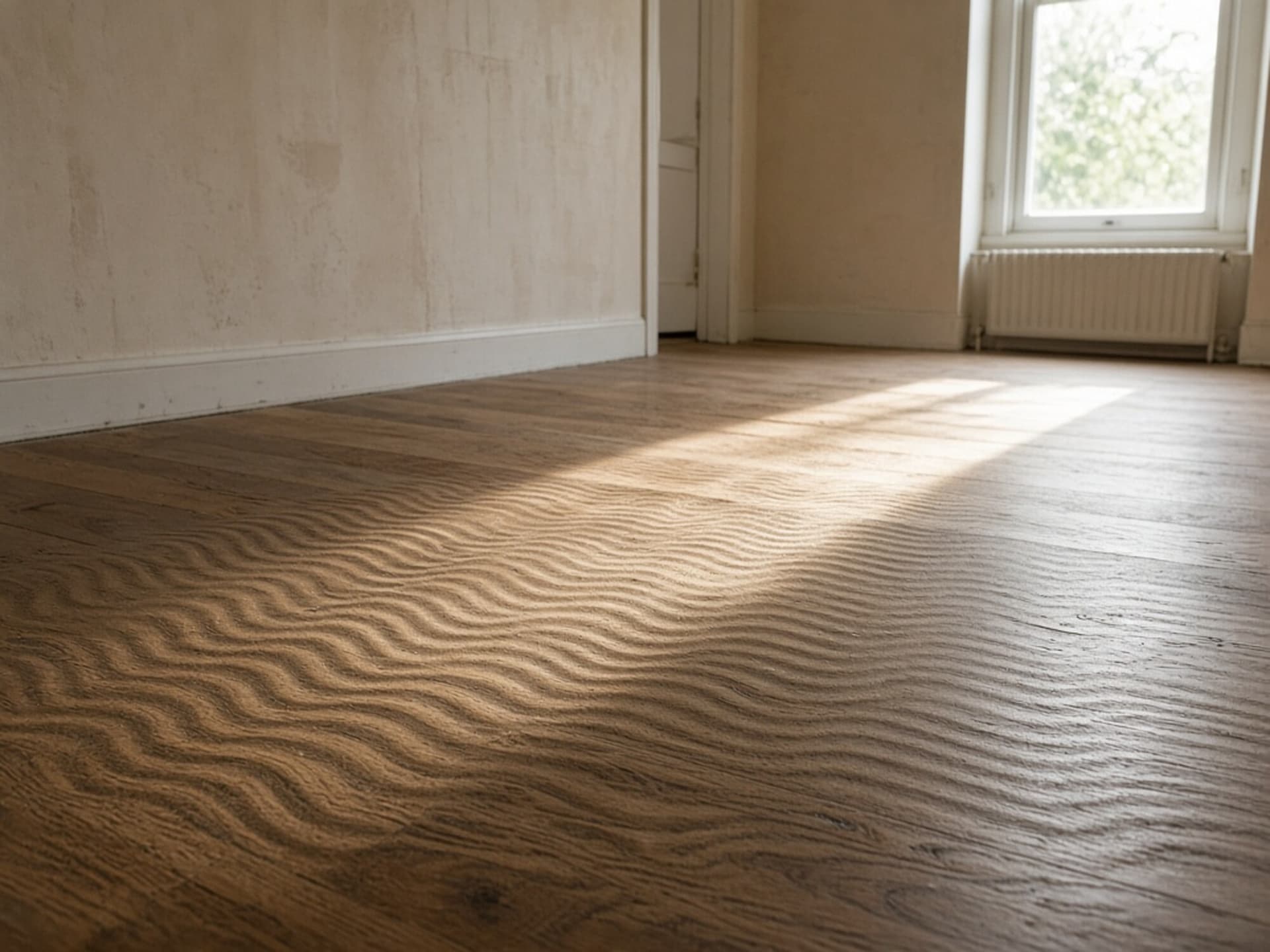
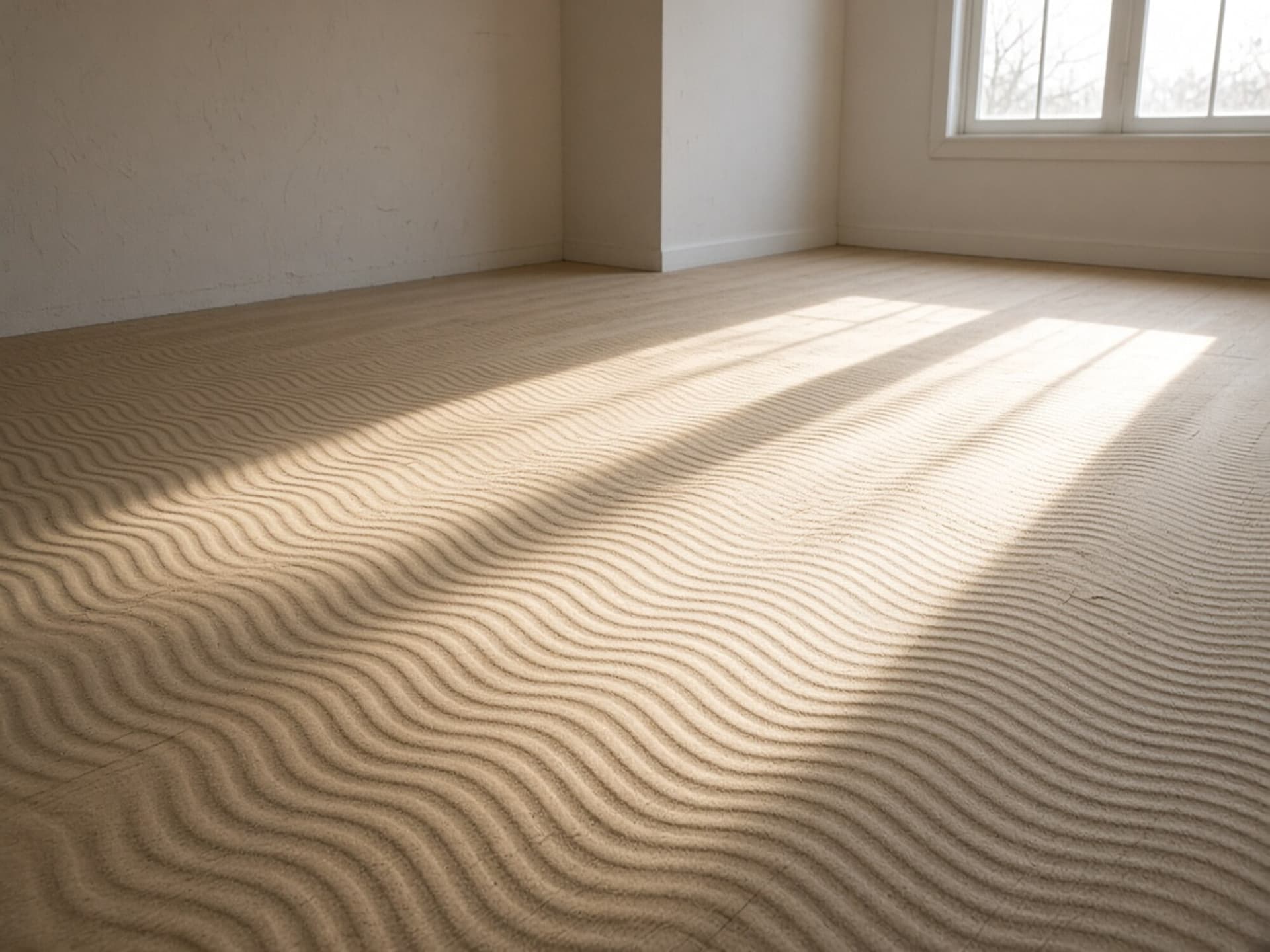
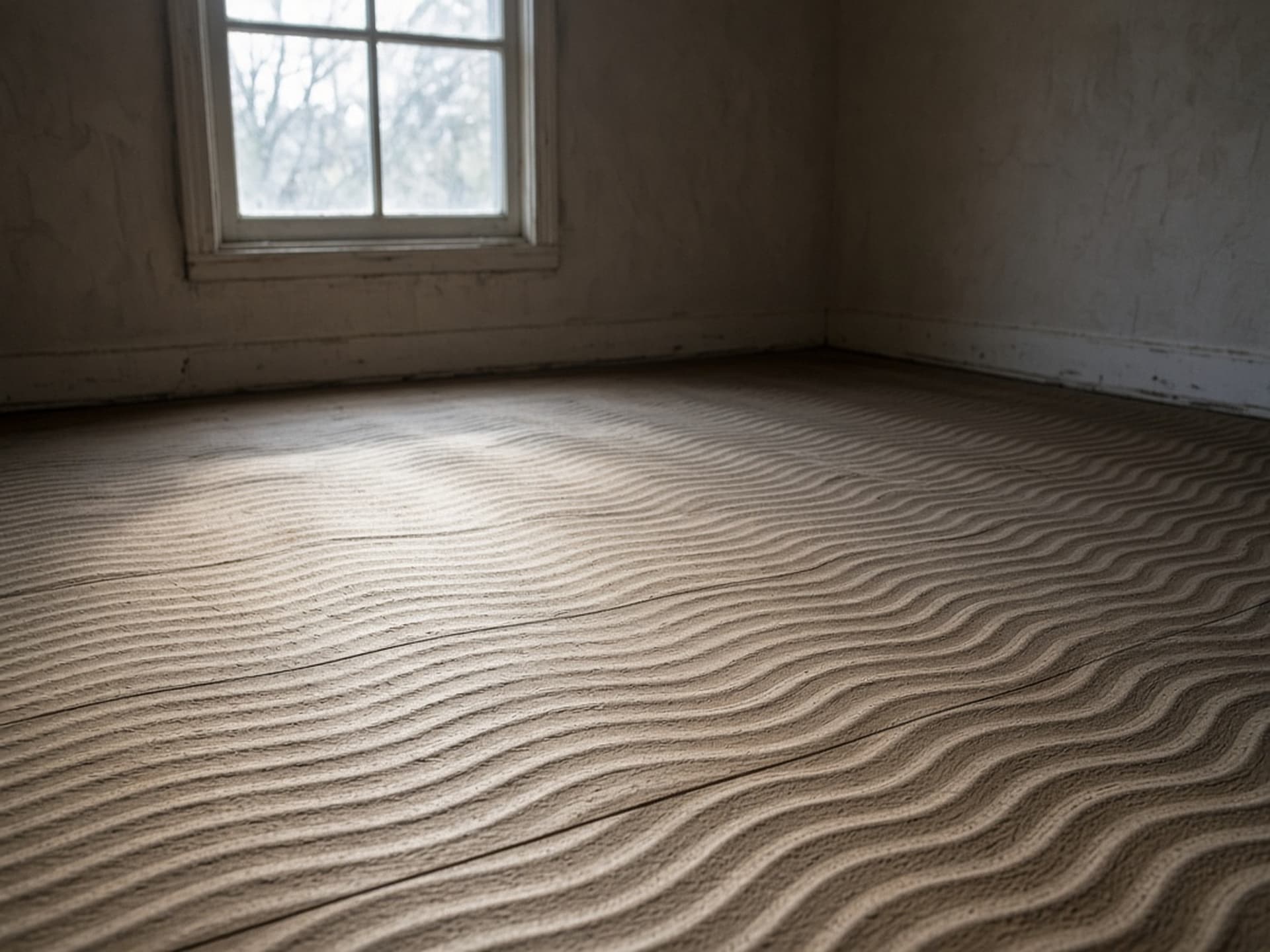
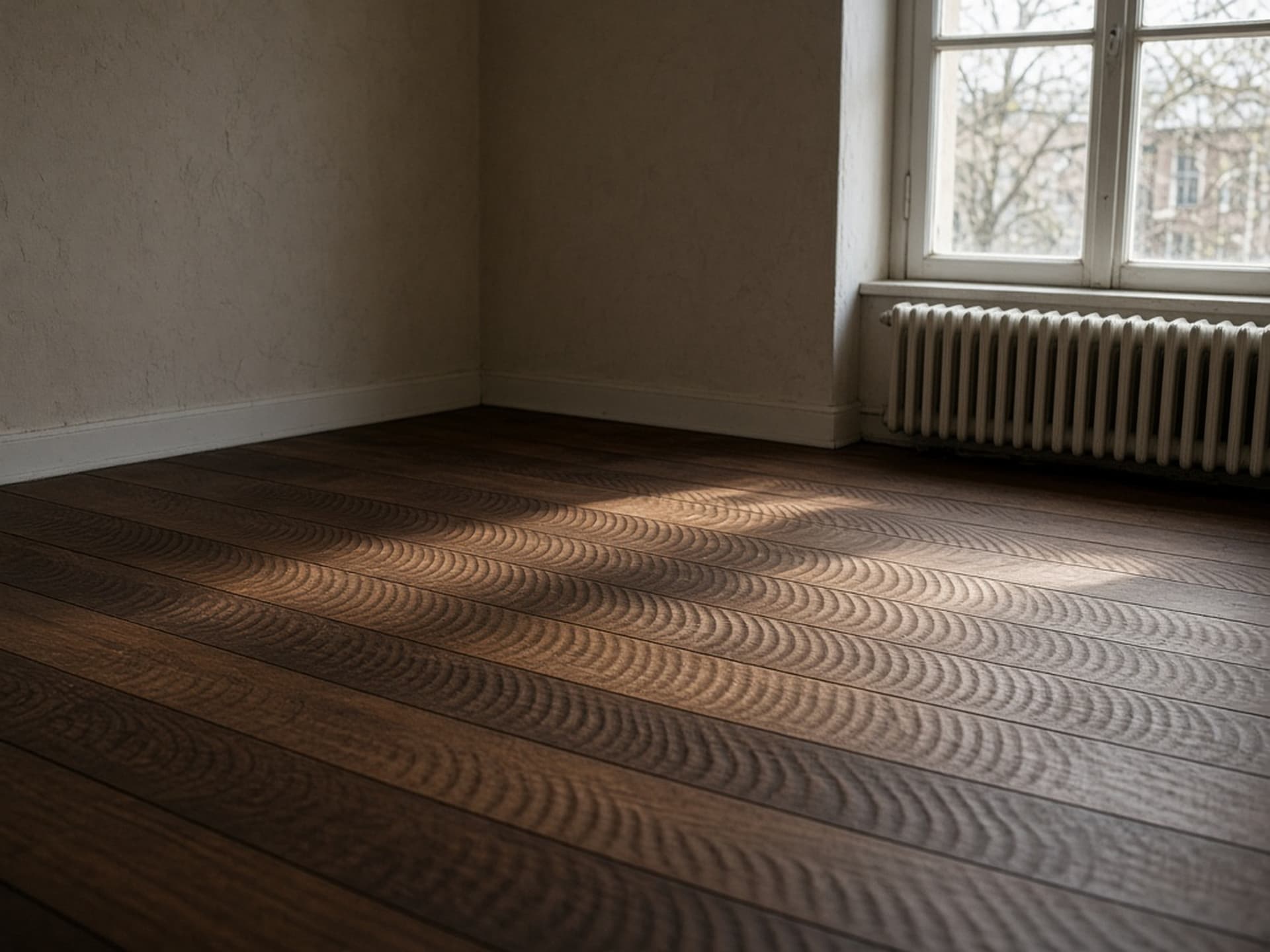
- Every visible defect in a refinished floor is either a scratch pattern or a flatness error, and both are decided here. Chatter marks — a regular ripple across the boards, most visible in raking light from a window — are a machine that was not set up, a worn drum, or a belt at the wrong tension.
- The number of times a floor can be refinished in its life is set by how much wood comes off each time. A machine used well takes what it needs. A machine used badly takes a sanding out of your floor's remaining life.
What happens without it
A rented consumer drum sander, or a shop that skips grits to save a pass on the big machine.
Chatter and dish marks that only show up once stain goes on, because pigment collects in a scratch. At that point the fix is sanding the room again from a coarser grit, which costs another slice of your floor's life.
How to tell, before you sign
- Ask what the grit sequence is. A shop with a real machine and a real method answers immediately and names the grits. A shop that says 'we sand it properly' does not have a sequence.
- Ask to see a floor they finished, in daylight, from a low angle looking toward a window. Raking light shows chatter that overhead light hides completely.
These questions are meant to be asked of everyone quoting you, not only of us. A trade that cannot answer them is telling you something useful.
Read further
Dust-contained sanding in occupied Toronto homes
What 'dustless' sanding actually means, how long you are out of the room, and how to refinish a condo without becoming a problem on the floor WhatsApp.
Hardwood floor maintenance in Ontario
Humidity, cleaning, and recoat schedules for hardwood floors and stairs that have to survive a GTA winter and a GTA summer.